Rooftop Tent Manufacturer for OEM, Wholesale & Private Label
Build a market-ready rooftop tent line from documented aluminum hard shell, ABS/PP hard shell, soft shell, vehicle awning and pickup configurations—then lock the materials, dimensions, accessories and packaging around your buying requirements.
- Model-specific specifications
- Configurable materials & accessories
- Export packaging options
One sourcing brief. Multiple tent structures.
The right rooftop tent is not defined by one keyword. Shell material, opening architecture, closed height, weight, fabric system and mounting context all affect the product your market can sell and support.
 Core product line
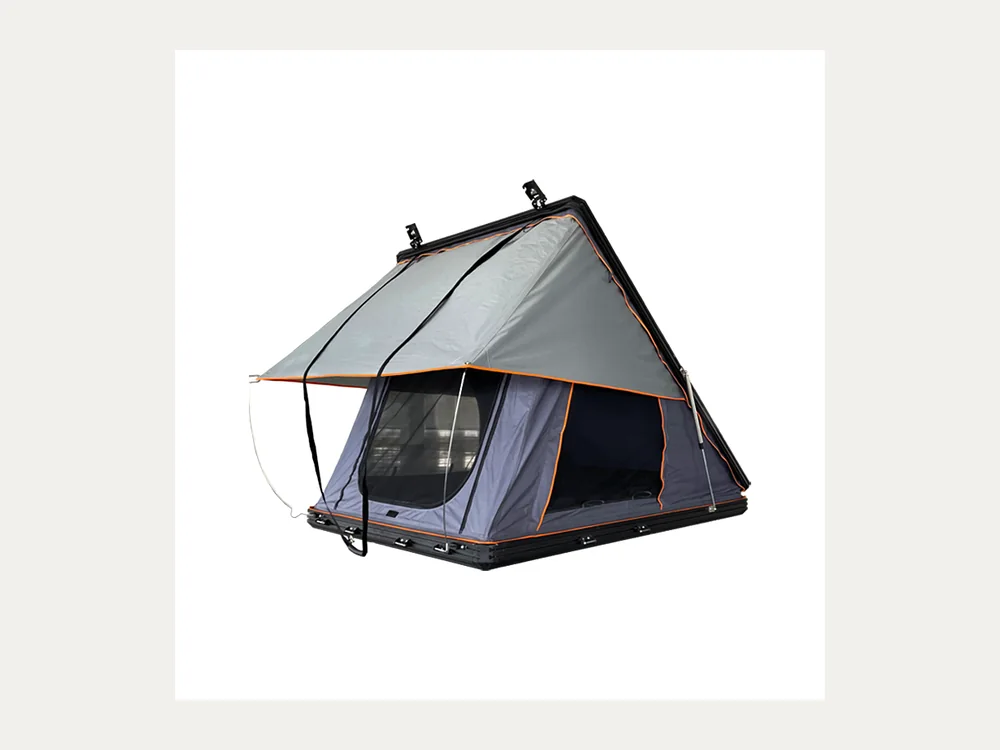
Aluminum Hard Shell Rooftop Tents
Clamshell, wedge, pop-up and side-opening structures with 6063 aluminum framing and honeycomb aluminum panel options. Representative current models include ultra-slim 123 mm closed profiles and multiple 2.1 m body formats.
Review documented construction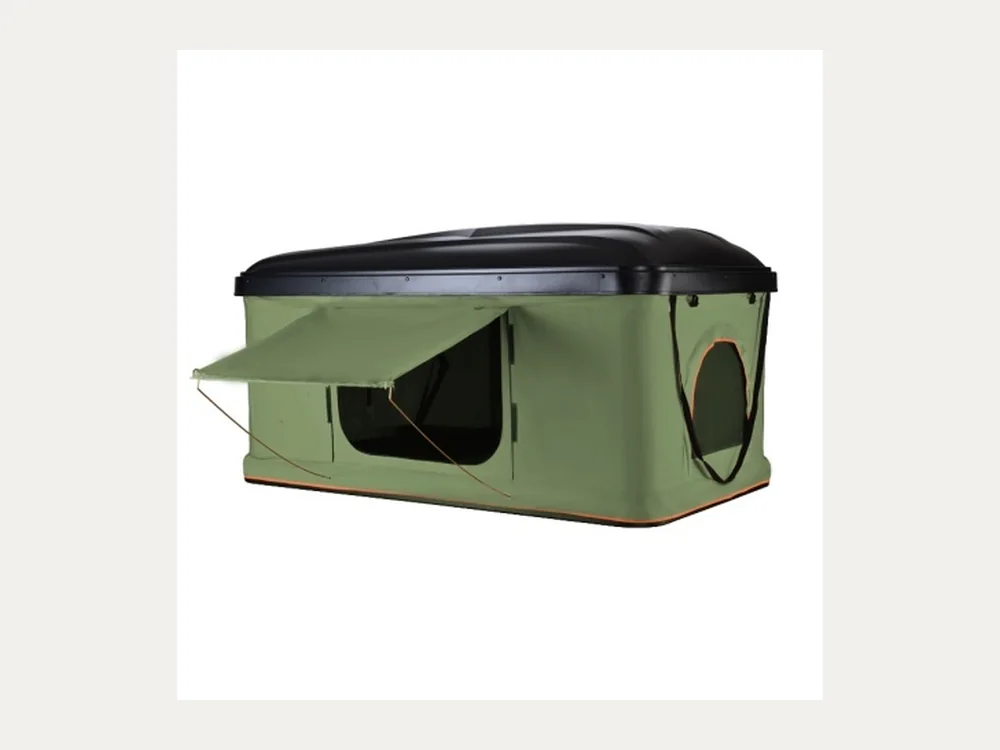 Molded shell
ABS & PP Hard Shell Tents
Pop-up, lift and side-opening layouts with molded shell options. Suitable when buyers prioritize a smooth shell form, integrated styling and a defined closed package.
Compare shell choices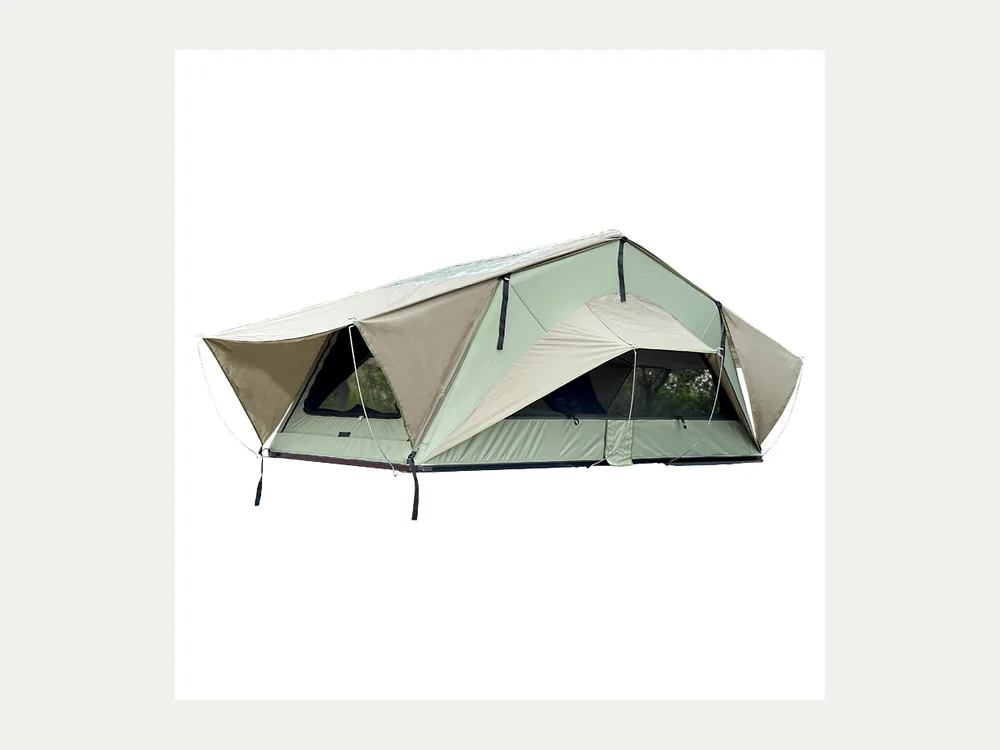 Fold-out format
Soft Shell & Inflatable Tents
Fold-out and extended sleeping footprints with polycotton body fabrics, mesh ventilation and Oxford rainfly options. Inflatable configurations are available in the current reference range and should be confirmed before ordering.
Plan a product brief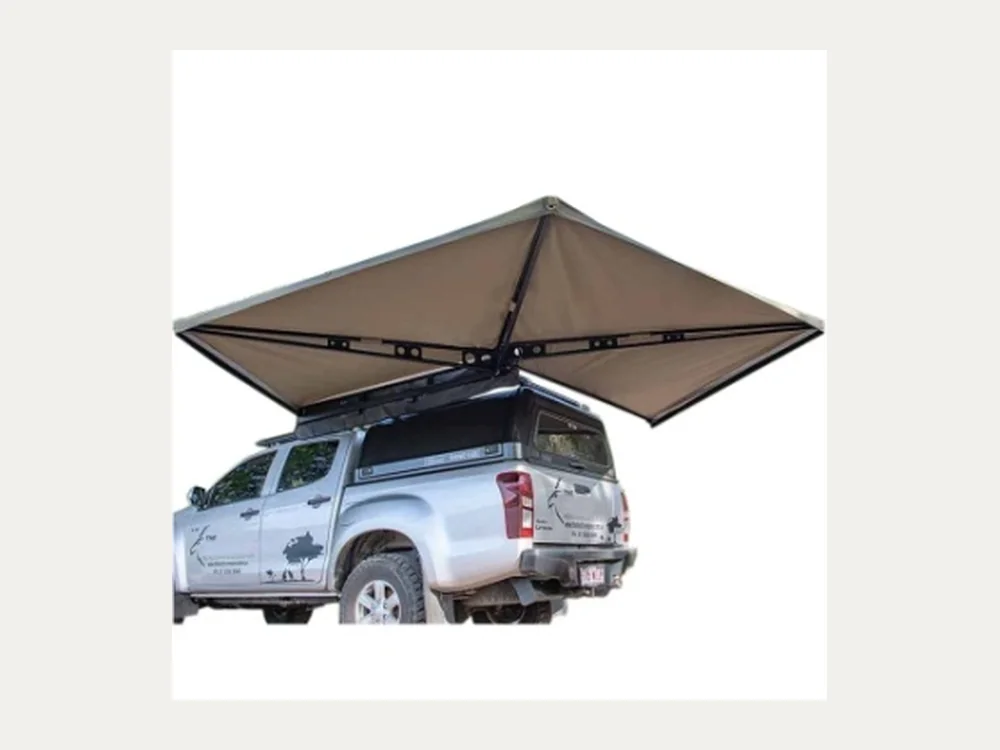 Add-on category
Vehicle Awnings & Side Rooms
Straight vehicle awnings, 270-degree quick-open systems, 270+180 configurations and attachable side rooms help buyers build a higher-value overland assortment.
Ask for awning options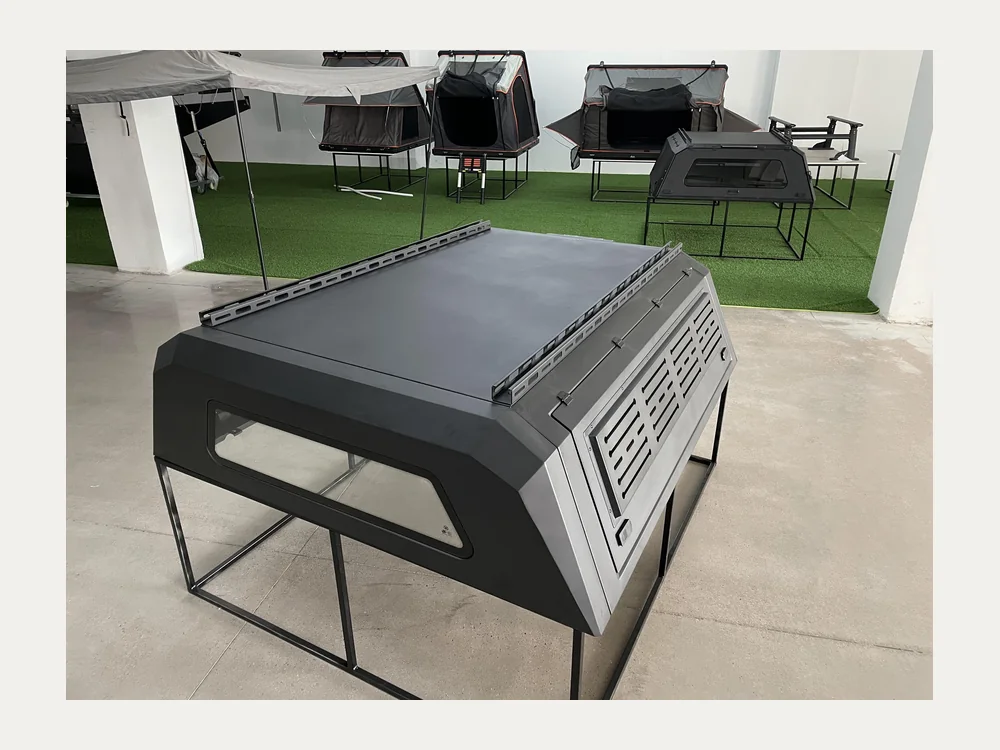 Pickup ecosystem
Pickup Canopies, Racks & Accessories
Expandable pickup racks, aluminum canopies, side storage boxes, windows, roof platforms and heavy-duty crossbars support a broader truck-camping program. Existing reference fitments include several common North American pickup platforms, but exact fit must be confirmed by vehicle and bed specification.
Discuss pickup compatibilitySpecify the product before you compare the price.
Two tents with a similar photograph can use different shell panels, fabric weights, rainfly materials, mesh, zippers, mattresses, hardware and packaging. A serious RFQ should make those differences visible.
Send Your Target SpecificationShell and frame systems
Current model sheets include 6063 aluminum framing, honeycomb aluminum top and floor panels, aluminum plate shells, ABS shells and PP composite shell configurations.
Body fabric and rainfly
Documented options include 280 g and 320 g polycotton body fabrics plus 420D or 600D Oxford components. Waterproof values vary by construction and must be tied to the final model specification.
Ventilation and openings
Mesh windows, roll-up openings, awnings and multiple door layouts can be evaluated by climate, privacy, ventilation and intended sleeping footprint.
Interior and accessory package
Available references include foam mattresses, aluminum ladders, LED light strips, insulation and moisture pads, crossbars, USB modules, solar brackets and solar charging components.
Packaging definition
Carton, honeycomb carton and wooden-frame reinforcement appear across current quotations. Confirm the packaging method against destination, handling route and damage-risk requirements.
Representative specification snapshot
These values are drawn from current source sheets to help buyers compare architectures. They are not a universal specification and must be reconfirmed for the selected model.
| Architecture | Representative open size | Closed / packed size | Documented weight | Buyer consideration |
|---|---|---|---|---|
| Ultra-slim hard shell | 2100 × 1410 × 1520 mm | 2100 × 1410 × 123 mm | 57 kg net | Closed profile and vehicle roof-load planning |
| Aluminum clamshell | 2100 × 1420 × 1580 mm | 2100 × 1420 × 180 mm | 86 kg net | Shell structure, opening direction and packed height |
| ABS side-opening | 1950 × 2050 × 1100 mm | 1950 × 1150 × 270 mm | 82 kg net | Molded shell format and expanded footprint |
| Soft / inflatable reference | 2200 × 2500 × 1200 mm | 1500 × 1250 × 200 mm | 50 kg net | Packed size, inflation system and service parts |
Turn a market requirement into an order-ready specification.
A productive sourcing conversation starts with the vehicle market, target architecture, expected order quantity, material requirements, branding needs, destination and acceptance criteria—not only a reference photo.
Market & use-case brief
Define target customers, vehicles, climate, retail position and key competitive products.
Model matching
Shortlist shell type, opening architecture, footprint, closed profile and accessory package.
Specification lock
Confirm materials, dimensions, weight, fabric, color, branding, packaging and test criteria.
Sample & approval
Confirm sample availability by model, review details and record approved changes before the batch.
Production & shipment
Align QC checkpoints, export packing, inspection records and shipment coordination.
Choose by engineering priority, not by appearance alone.
The strongest product page and the strongest purchase order answer the same question: which measurable configuration is right for the intended user and vehicle?
Aluminum hard shell
Best considered when the product brief prioritizes a rigid architecture, multiple opening styles, integrated accessory rails or an ultra-slim closed profile.
- Compare panel and frame construction
- Confirm net weight and closed height
- Define hinge, strut and opening direction
ABS / PP hard shell
Useful for programs that prefer a molded exterior, pop-up or lift mechanism and a clearly defined packaged body.
- Confirm shell material and thickness
- Review crack and impact acceptance criteria
- Lock color and surface requirements
Soft shell / fold-out
Consider when interior footprint, fabric architecture and fold-out space are more important than a rigid upper shell.
- Compare body and rainfly fabric
- Define mesh, awning and entrance layout
- Review packed size and cover material
What importers and outdoor brands need to confirm
What is the minimum order quantity for rooftop tents?
MOQ depends on the selected model and customization. Current reference sheets show 5-unit minimums for several hard-shell models, 10 units for a number of aluminum and soft-shell models, and higher minimums for some awning programs. Request a model-specific confirmation before planning your order.
Which rooftop tent details can be customized?
Logo placement, shell or fabric color, selected fabrics, mattress, lighting, insulation, crossbars, charging accessories and packaging can be discussed. Availability and cost depend on the architecture, quantity and whether the change uses an existing option or requires development.
How do I confirm whether a rooftop tent fits a vehicle?
Check the vehicle manufacturer's roof-load limits, the roof rack or crossbar system, bar spacing, mounting hardware, tent net weight and the difference between dynamic and static loads. A broad “universal fit” statement is not enough for a reliable recommendation.
What waterproof specification is available?
Waterproof construction is model-specific. Current sheets include 280 g polycotton fabric with PU ratings on some models, Oxford rainfly materials and separate awning or cover ratings. The final quotation should identify the exact fabric, coating and test standard instead of using a generic waterproof claim.
Can I order a sample before a wholesale batch?
Sample availability, price and lead time must be confirmed by model. When a sample is approved, record the bill of materials, dimensions, colors, branding, accessories and packaging so the batch can be checked against the same reference.
What should be included in a professional rooftop tent RFQ?
Include target market, product architecture, estimated quantity, required dimensions or weight, material preferences, expected accessories, branding, packaging, destination and any compliance or inspection requirements. Reference photos help, but measurable specifications make quotations comparable.
Tell us what your market needs—not only which tent photo you like.
Share your target architecture, quantity, customization, destination and product priorities. We will use that information to organize the most relevant model and specification discussion.